Learn roof repair basics in Staunton, VA, from spotting leaks to checking flashing, so you can act before small damage spreads.
A roof leak can start as a small stain, then spread to wood, insulation, and ceilings if you wait too long. This guide shows you how to inspect the damage, gather the right tools, check the most common trouble spots, and decide if the fix is simple or needs a pro. Roof repair starts with a safe check inside and outside, then a careful look at shingles, flashing, and seal points before you patch or call for help.
If you live in Staunton, VA, a fast first look can help you stop more damage and avoid guessing at the cause. Start with the source, not the stain.
Start inside the house. Look for water spots, peeling paint, damp insulation, or a musty smell near the attic or ceiling. Then trace the stain upward in the attic to find the likely entry point. Water often travels before it shows up, so the wet spot is not always the leak source.
Use a flashlight and move slowly. Check after a rain if you can, since fresh signs are easier to spot. If you see dripping water, sagging drywall, or wet framing, skip the repair and get help right away. A leak this active can spread fast.

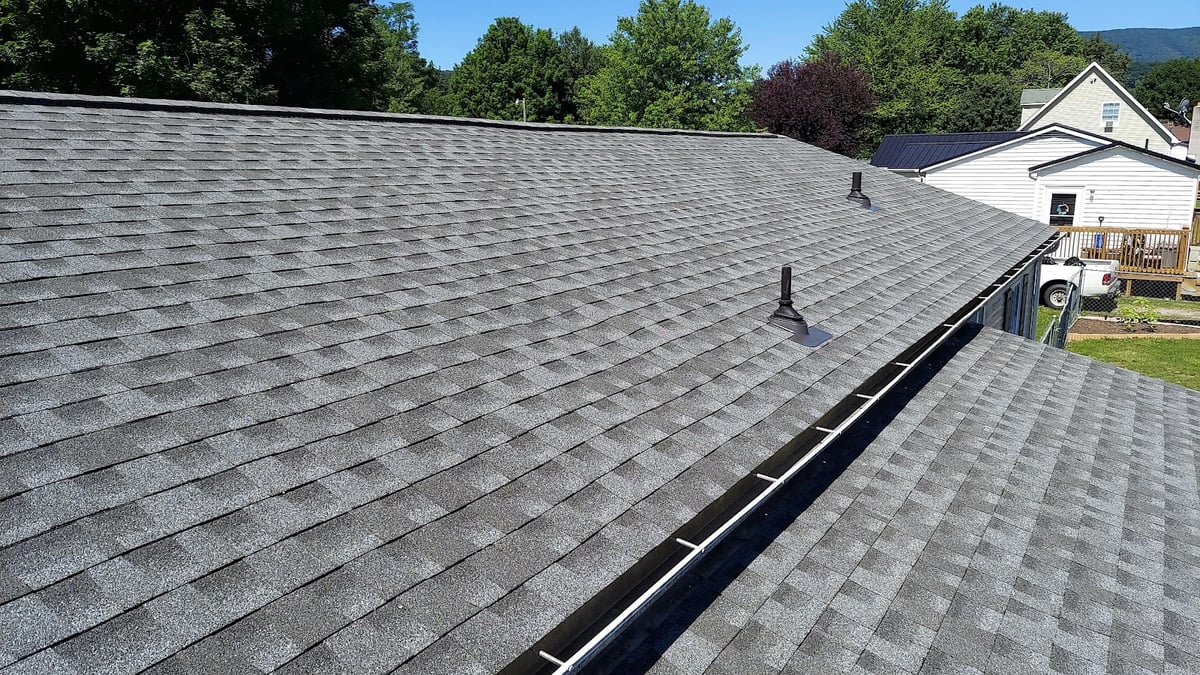
Before climbing, inspect the roof from the yard with binoculars if needed. Look for missing shingles, lifted edges, dark patches, or curled tabs. These signs often point to wind damage, age, or worn seal strips. A simple visual check can tell you a lot before you ever step onto the roof.
If you find loose material near the gutters or on the ground, that is a clue the roof has started to fail in one area. If several sections look worn at once, the problem may be broader than one patch can solve. In that case, roof repair help may be the safer path.
Flashing seals the places where the roof meets walls, chimneys, vents, and skylights. It often fails before the shingles do. Look for rust, gaps, lifted metal, cracked sealant, or missing pieces. Small flashing gaps can send water into the roof deck and wall cavity.
If the flashing is bent or loose, do not just add more caulk and move on. The old seal may already be broken underneath. For a proper fix, the damaged metal and worn sealant need to be corrected together so the water path is closed for real.
Roof joints move over time. Metal expands and contracts, sealant dries out, and nails can loosen. That is why flashing needs close attention during any roof check. A roof can look fine from far away and still leak at one small seam.
If the damage is small and you can reach it safely, gather your tools before starting. A clean setup keeps the repair neat and lowers the chance of missing a step. Use materials that match your roof type whenever possible, and keep the work area dry.

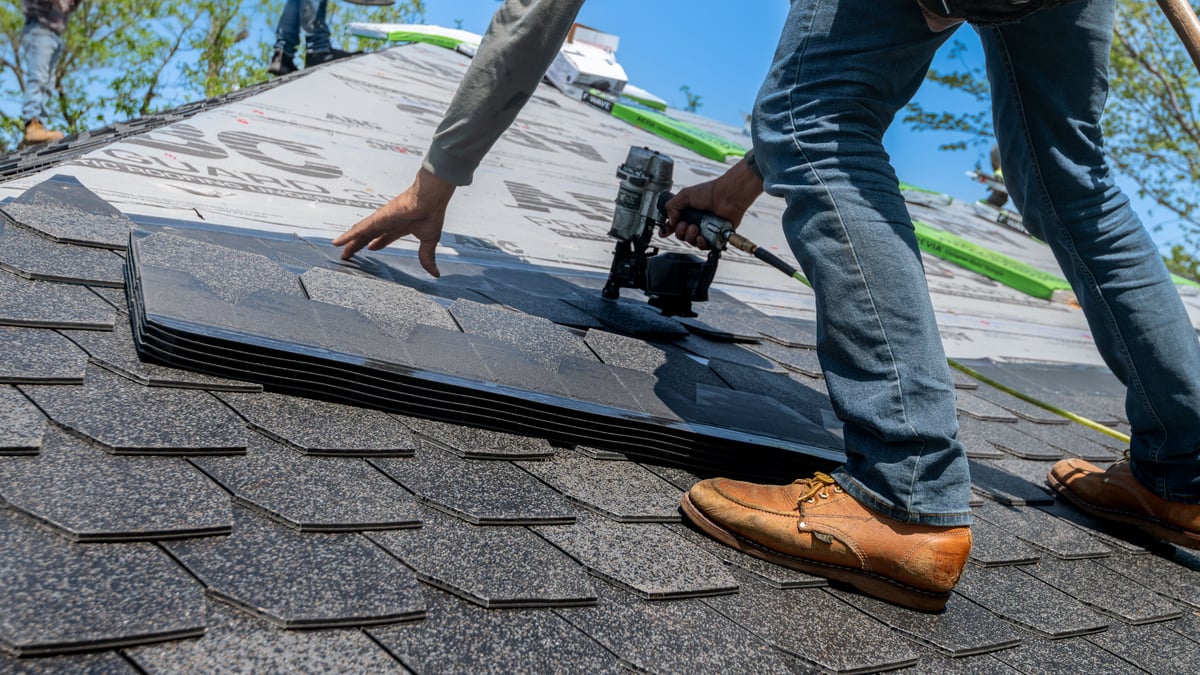
For a small shingle problem, lift the damaged piece carefully, remove the fasteners, and slide in the replacement. Seal the tabs as needed and make sure the edges lie flat. If a single flashing seam needs sealing, clean the area first so the product can bond.
Keep the repair limited to the damaged spot. Do not cover large failures with a quick patch and hope for the best. If the wood underneath is soft, the leak is active, or the roof has multiple weak areas, stop and bring in Baber Enterprises for a deeper look.
A patch is not the right fix when the damage keeps spreading, the roof deck feels soft, or stains return after rain. Those signs point to a bigger issue below the surface. At that point, a full inspection matters more than a quick repair.
Call a pro when the damage is steep, the leak source is unclear, or you find water inside the structure. A roofing contractor can check the roof deck, underlayment, and flashing without guessing. That matters when the problem may be hiding under the shingles.
If you want a careful inspection in Staunton, VA, schedule help through our roof repair service. After 40 years in business, we know how to spot the small failures that lead to bigger ones.
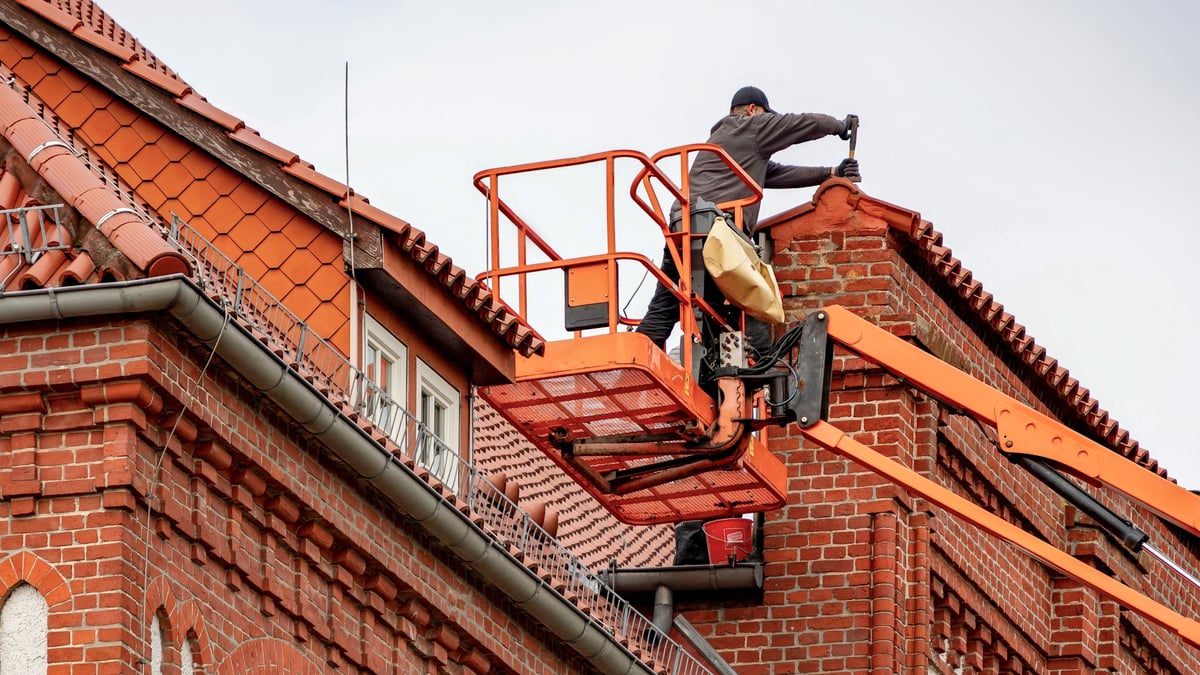
A repair fits when the damage is limited to one area, like a few shingles or a flashing seam. Replacement becomes more likely when leaks keep returning, the roof has widespread wear, or the decking has started to fail under the surface.
A small, easy-to-reach leak may be patchable if you know the source and the roof is safe to access. The main risk is missing hidden damage. If the leak is active, steep, or close to vents or chimneys, professional help is the safer choice.
Active dripping, sagging drywall, soft roof decking, and damaged flashing should not wait. These signs point to water getting past the outer layer and into the structure. The longer it stays open, the more damage it can do to framing, insulation, and ceilings.
Check your roof after major storms and at least once or twice a year from the ground and attic. Regular checks help you catch missing shingles, loose flashing, and small leaks before they turn into larger repairs that affect the home inside.
A good roof repair starts with a careful look at the leak, then a close check of shingles, flashing, and any soft spots below. If the damage is small, a focused patch may help. If the problem is active, hidden, or unsafe, get a professional inspection before it spreads.