Learn roof repair steps, from spotting leaks to sealing flashing, and know when a missing shingle means you should call a pro.
A small roof problem can turn into stained ceilings, wet insulation, and bigger repair bills fast. This guide shows you how to spot damage, check the most common leak points, make safe temporary fixes, and decide when the job needs help. Roof repair starts with a careful look from the ground, then a closer check of shingles, flashing, vents, and gutters. If you find active leaks, wide damage, or soft spots, stop and call a roofing pro.
Homeowners in Staunton, VA often want a simple way to judge a roof issue before it gets worse. Baber Enterprises Inc. has helped local property owners for 40 years, and we know that fast action matters more than guesswork.
Start from the ground and look for clues you can see without climbing. Missing shingles, bent metal, dark streaks, loose granules, and sagging areas can point to trouble. Inside, check the attic or top floor for damp spots, daylight through boards, or wet insulation.
If you see signs of a leak, mark the area and keep notes. The goal is to find the source, not just the stain. Water often travels before it shows up on a ceiling.
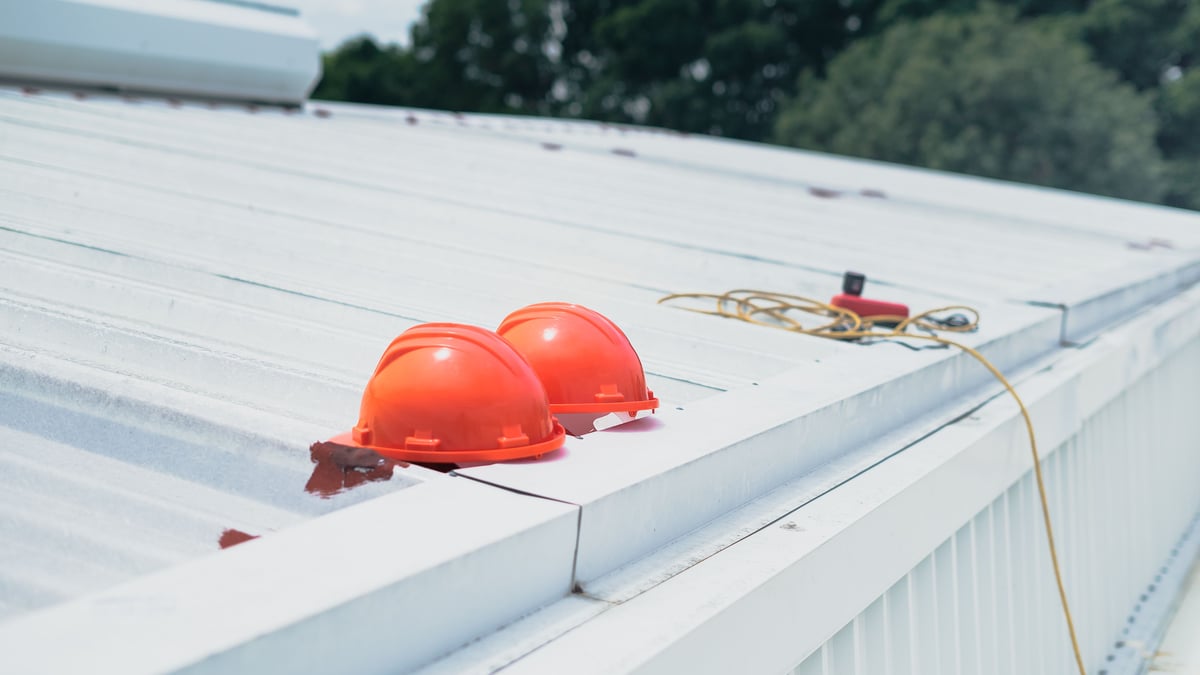
Use simple tools and keep safety first. A short list helps you move carefully and avoid rushing once you find a problem. If the roof is steep, wet, or damaged in several places, skip the climb and call for help.
Do not step on a roof that is wet, icy, or soft. Stay away from power lines and never work alone if you can avoid it. A careful delay is better than a fall.
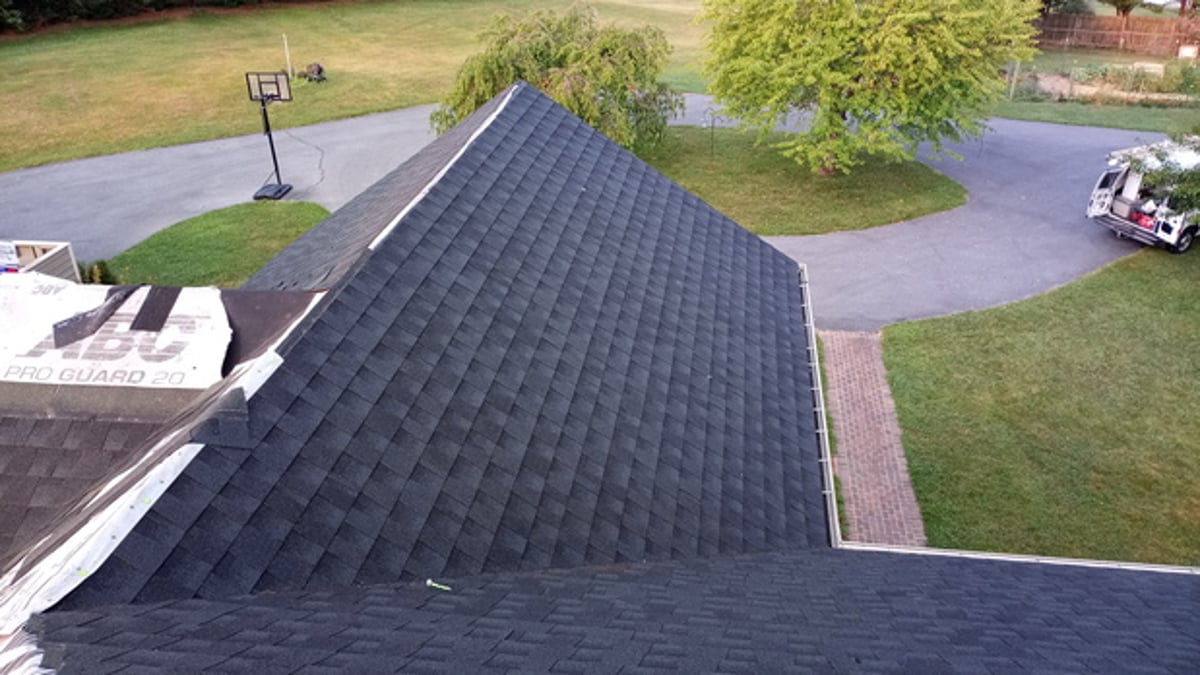
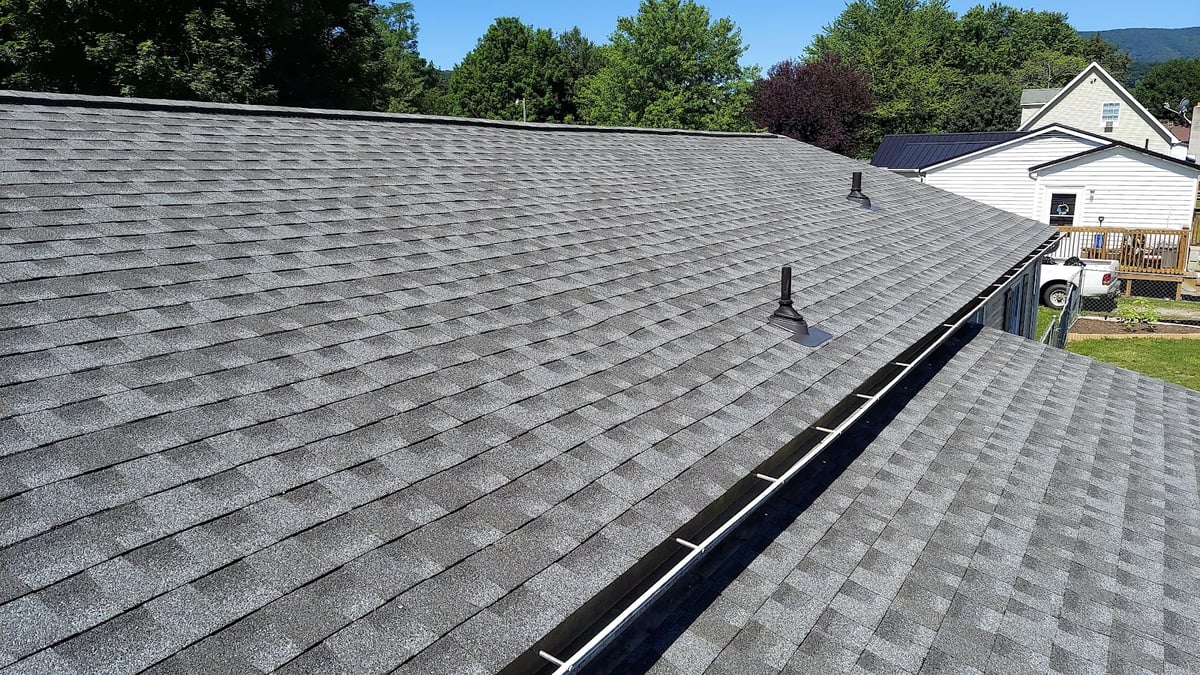
Look for shingles that are cracked, lifted, torn, or missing. Check for granules in gutters, since heavy loss can mean the surface is wearing out. Small damage near one spot may be repairable, but many failing shingles can mean the roof is reaching the end of its useful life.
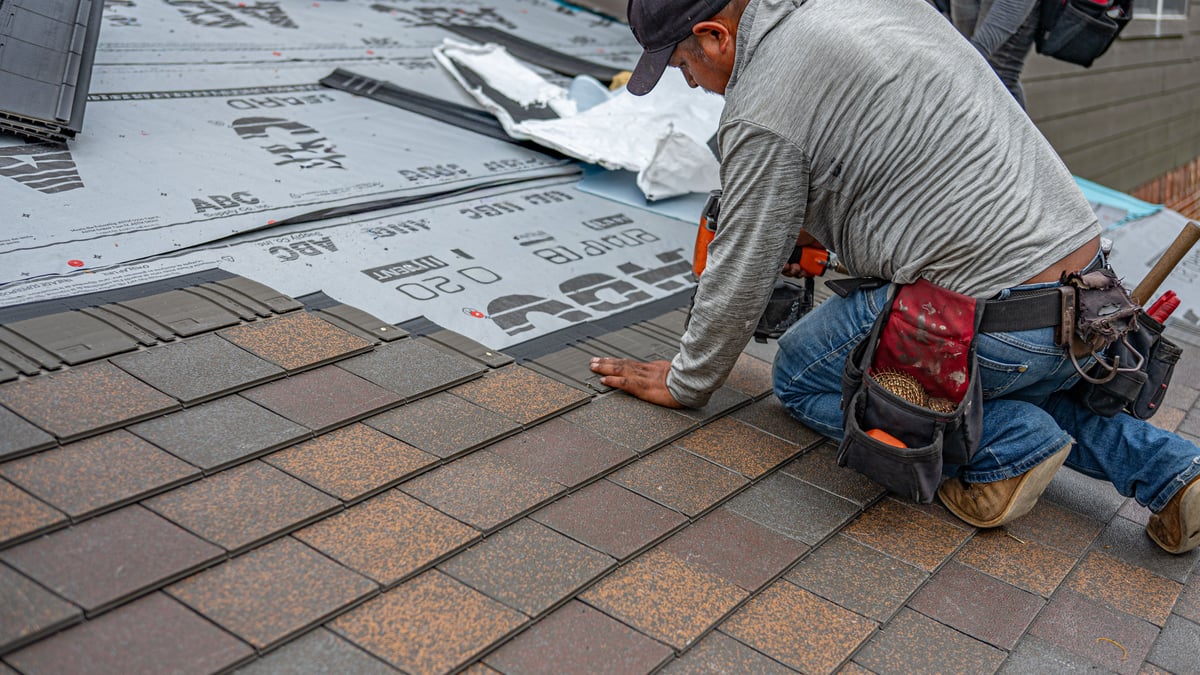
If a shingle is loose but intact, it may only need re-sealing. If it is split or missing, the damaged section usually needs replacement. Match the new material as closely as you can so the repair blends in.

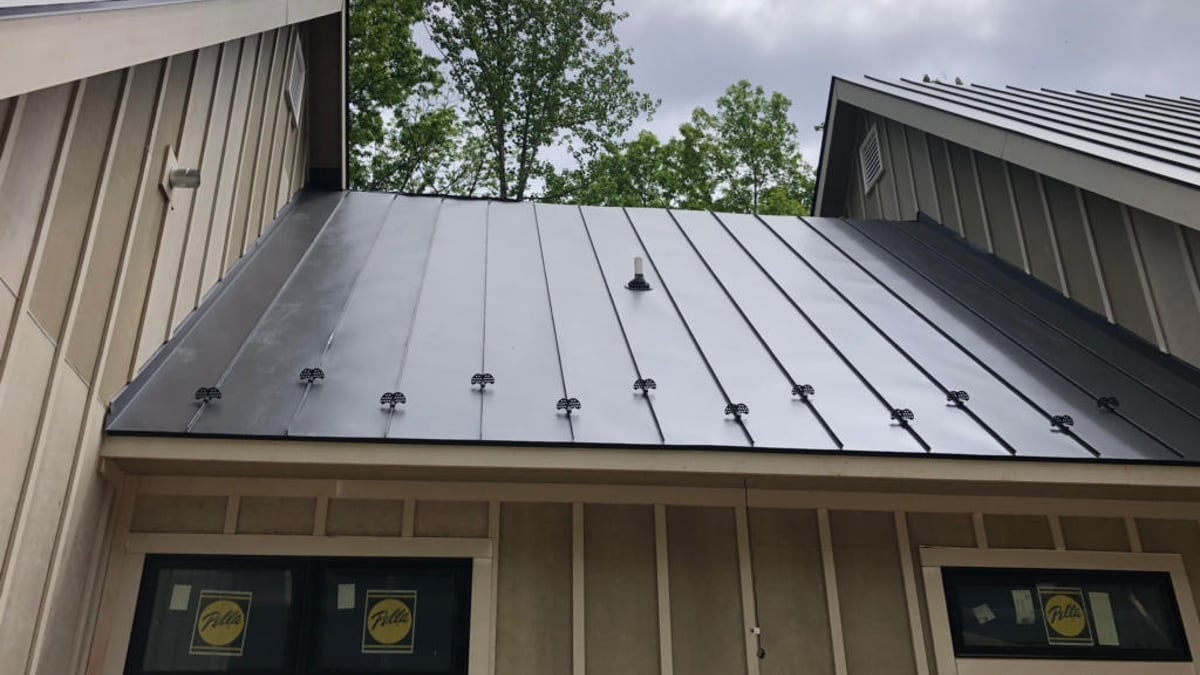
Flashing protects the weak spots where different roof parts meet. Check around chimneys, vents, skylights, walls, and valleys. Look for rust, loose edges, gaps, lifted sealant, or broken caulk. These spots often leak before the rest of the roof does.
If the flashing is bent or detached, water can slip under the roof covering and reach the wood below. Small gaps may be sealed, but loose or failing metal usually needs a stronger repair.
Temporary fixes can help limit water entry until a full repair is done. Use roofing cement on a small crack, place a tarp over a large opening, or secure a loose shingle long enough to keep rain out. These fixes are short-term only.
Do not cover a problem and forget it. A quick patch can hide trapped moisture, and that moisture can damage the deck, insulation, and framing. Treat a temporary fix as a bridge to proper repair.
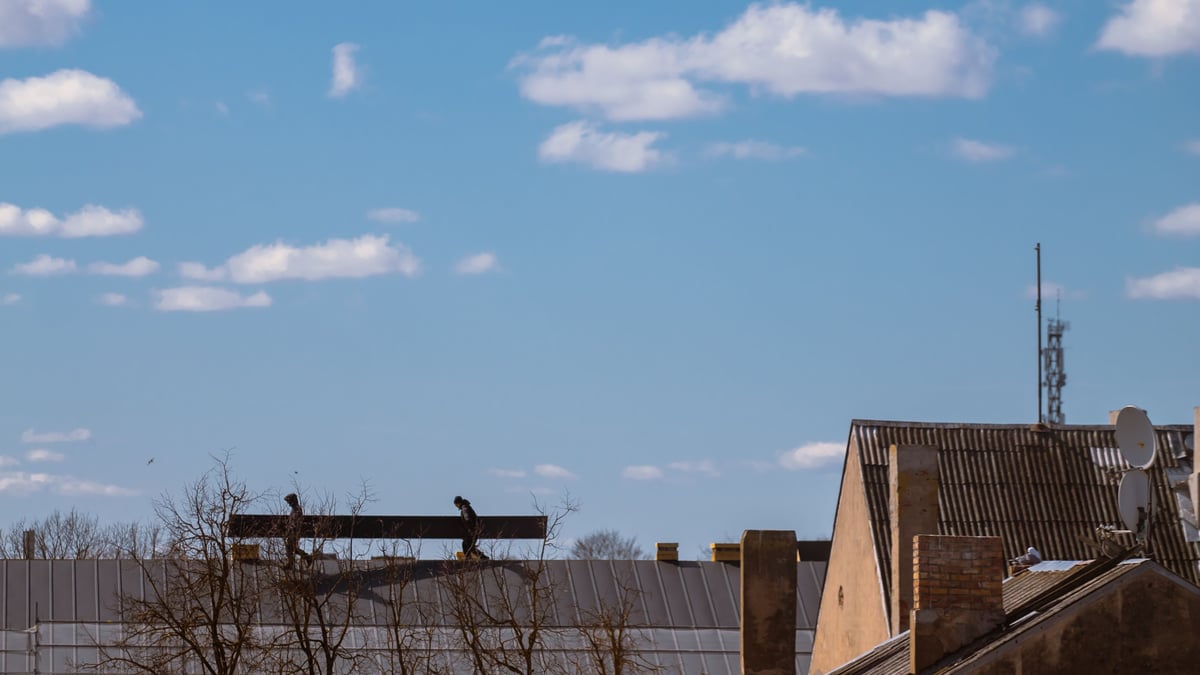
Call a roofer if you see soft decking, several missing shingles, a large leak, or damage near chimneys and skylights. You should also step back if the roof is steep, old, or unsafe to walk on. These problems need more than a quick patch.
Our roof repair service is a smart next step when the damage goes beyond a simple DIY fix. Baber Enterprises Inc. helps homeowners in Staunton, VA handle leaks and storm damage with a clear repair plan.
A pro can find hidden damage, check the full roof system, and tell you if repair or replacement makes more sense. That saves time and helps you avoid repeat leaks.
The best way to avoid repeat problems is to inspect the roof twice a year and after major storms. Clear gutters, trim back overhanging branches, and watch for loose shingles after wind or falling debris. Small checks can catch trouble early.
Keep an eye on your attic too. Fresh stains, musty smells, or damp insulation can warn you before damage shows outside. A quick look after heavy rain can save you from a bigger repair later.
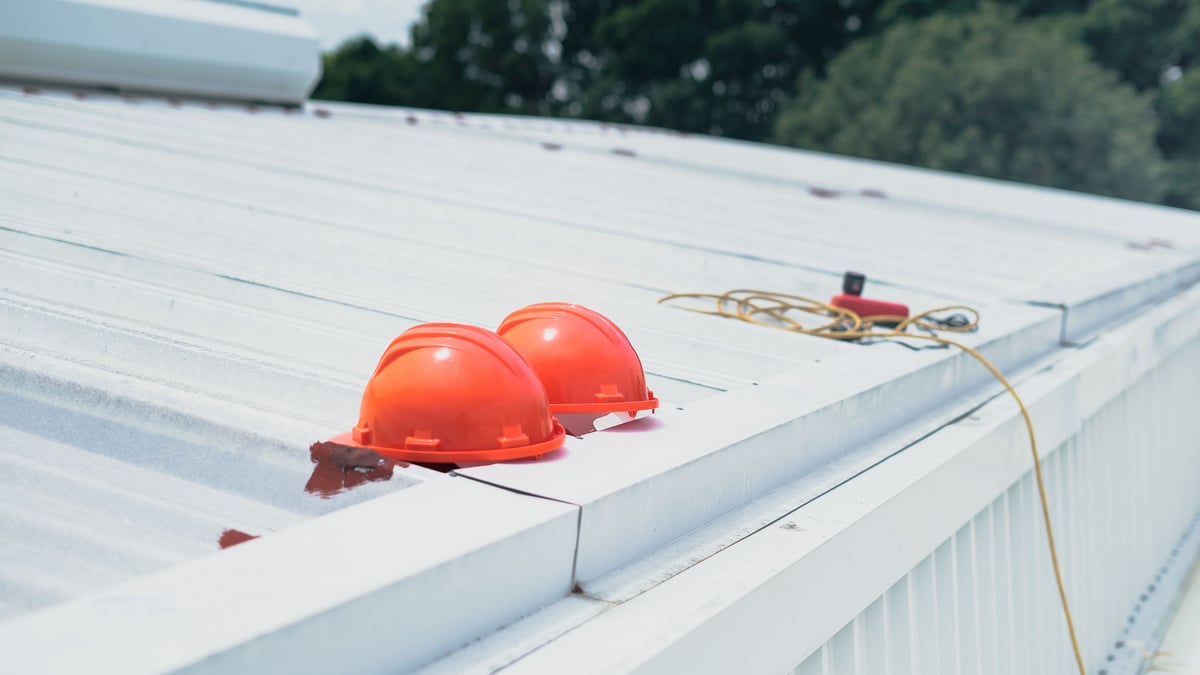
If damage is limited to a few shingles or one leak point, repair may be enough. If you see widespread wear, repeated leaks, or soft decking, a replacement may be the better long-term choice after a full inspection.
You can sometimes find the leak source from the attic, but inside fixes do not stop water at the roof surface. Use the attic to track the problem, then repair the exterior entry point or call a roofer for help.
Skip any repair that involves a steep slope, soft wood, major flashing failure, or large missing sections. Those jobs raise the risk of falls and hidden damage, and they often need tools and materials that match the roof system.
Act right away. Even a small leak can spread into insulation, drywall, and framing if it keeps getting wet. Place a temporary tarp or bucket as needed, then schedule a proper inspection and repair as soon as possible.
Test Two Interactive provides Roof Repair in Staunton.