Learn what affects roof replacement decisions in Staunton, VA, from material choices to questions to ask before you sign a contract.
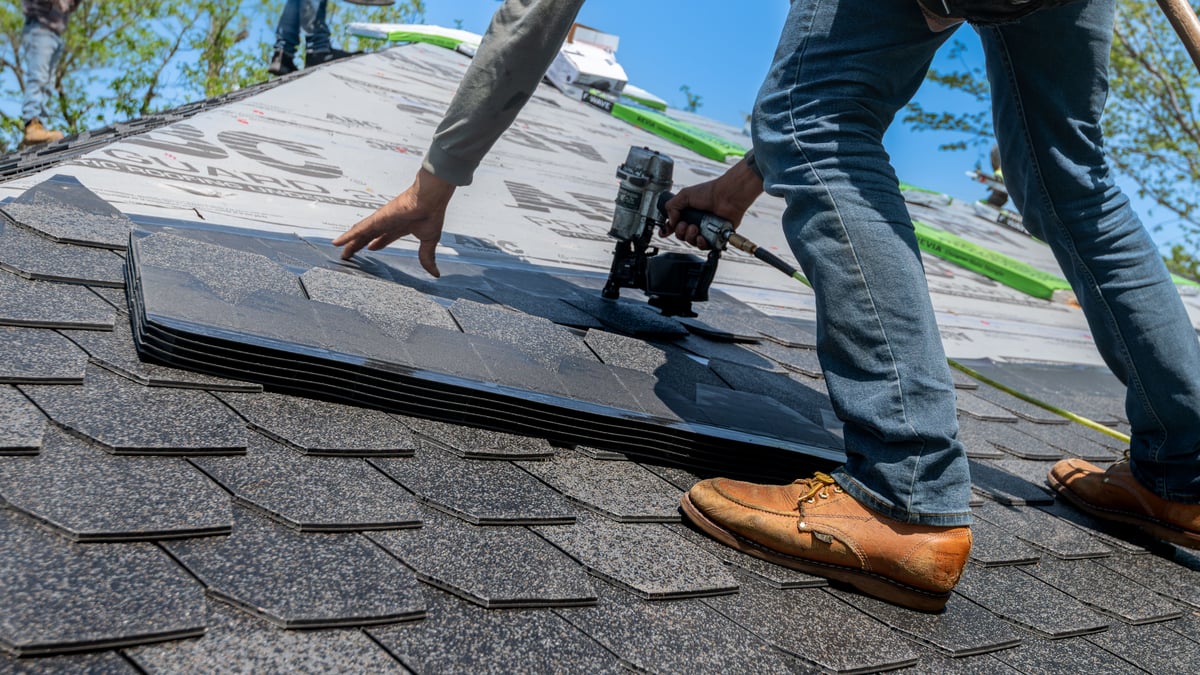
A roof replacement is a big decision, and the wrong choice can lead to stress, delays, and extra costs. Homeowners in Staunton, VA often need a clear way to compare materials, timing, and contractor details before they commit. Roof replacement means choosing the right material, checking the roof deck and ventilation, and getting a clear scope so the final job matches your home and budget.
The best choice is not always the lowest bid. It is the one that fits your home, your goals, and the condition of the roof below the shingles.
Baber Enterprises Inc. has served homeowners for 40 years and holds a 4.8 Google rating from 169 reviews, so we know the questions people ask before they replace a roof.
Start with the roof’s age, leak history, and visible wear. If shingles are curling, missing, or losing granules, a full replacement may make more sense than another repair. A careful look at the deck, flashing, and attic can also show if the roof system is aging as a whole.
If you want help with the next step, our roof replacement service can give you a clear plan for your home in Staunton, VA.
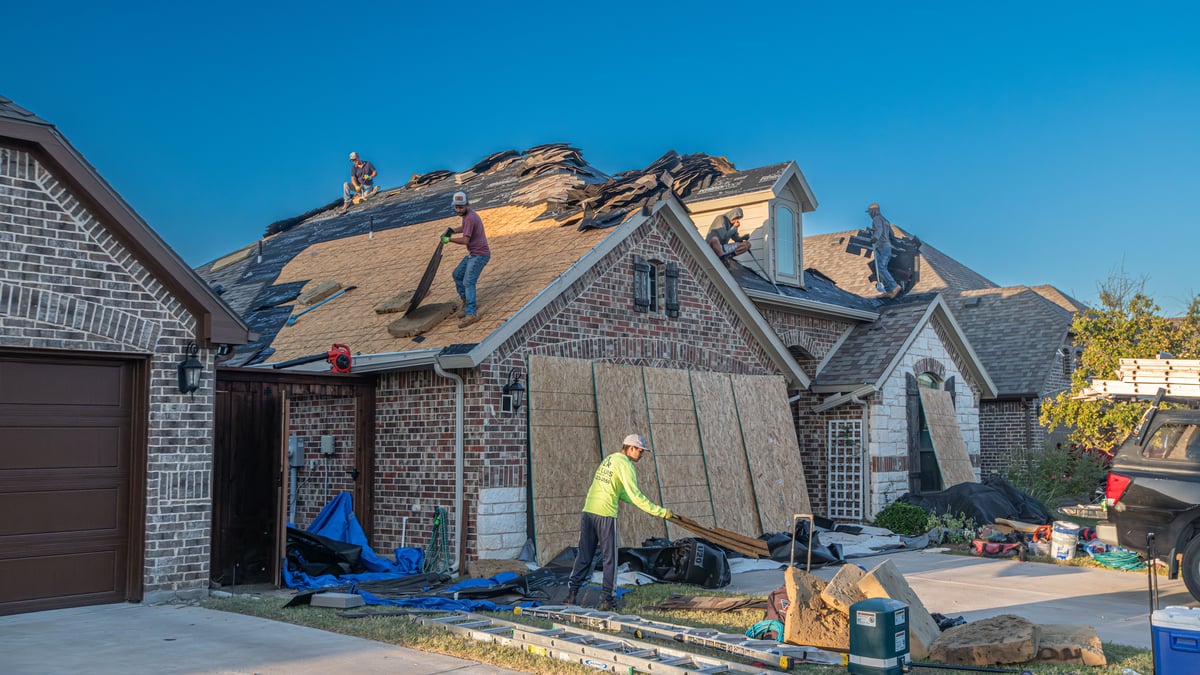
The price of a new roof depends on more than square footage. Material type, tear-off needs, deck repairs, roof shape, and vent work all affect the final number. A simple roof costs less to replace than one with steep slopes, many penetrations, or hidden damage under the old layers.
The clearest estimate is one that lists labor, materials, removal, and any added repairs. That way, you can compare bids on the same terms and avoid surprise charges later.
The right material depends on how long you plan to stay in the home, how much maintenance you want, and the look you want from the street. Most homeowners compare asphalt shingles first because they are common and flexible. Others choose upgraded products for longer service life or a different look.
Each option has tradeoffs. Focus on long-term value, not only the first price tag.
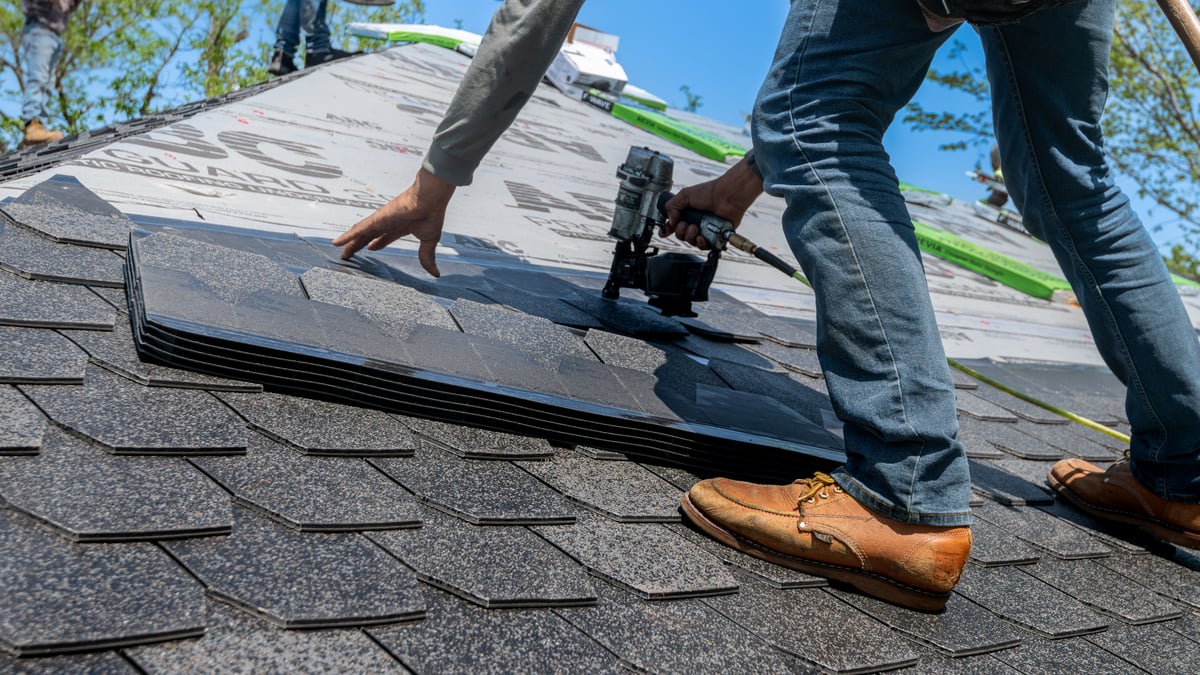
A good replacement is more than new shingles. Ask what else is included so the roof works as one system. That usually means underlayment, flashing, ventilation parts, drip edge, and any needed deck repair. Small details matter because they help manage water and heat.
If one part is skipped, the new roof may not last as long as it should. A written scope keeps everyone on the same page.
Make sure the proposal names the main parts of the job. That includes removal, underlayment, starter strips, ridge pieces, flashing, vents, and cleanup.
Ask how the contractor handles soft decking, rotten wood, and damaged flashing once the old roof comes off. You want a clear process before work begins.
Compare more than the final price. Look at how clearly each contractor explains the scope, material choices, cleanup, and warranty terms. A good proposal should answer your biggest questions before you need to ask them again.
In Staunton, VA, homeowners often choose based on communication as much as cost. That matters because a roof project affects your home for years, not just the day of install.
The best questions protect your budget and your schedule. Ask them before you sign so the contract matches what you expect. A good contractor should answer in plain language and put the details in writing.
These questions help you compare bids fairly. Two quotes can look similar at first, but one may leave out important work. The more direct the answers, the easier it is to choose the right fit.
A fair quote is clear, complete, and easy to compare. It should explain what is included, what may cost more, and what can change after the old roof is removed. That protects you from a low bid that grows later.
Baber Enterprises Inc. has built its name on straightforward work and strong reviews, but the quote itself should still do the heavy lifting. A good estimate helps you judge value, not just price.
A full replacement makes sense when leaks keep returning, shingles are failing across wide areas, or the roof is near the end of its useful life. An inspection should also check the deck, flashing, and attic so the full condition is clear.
A solid quote should list removal, materials, underlayment, flashing, ventilation parts, cleanup, and any expected deck repair. It should also explain what is excluded so you can compare bids on the same terms and avoid confusion later.
The lowest bid can leave out important work or use weaker materials. A better choice is the quote that clearly explains the scope, includes the needed parts of the roof system, and gives you a fair balance of price and value.
Roof life depends on the material, the quality of the install, and the condition of the roof deck and flashing. Good ventilation and routine care also matter. Ask each contractor how the product they recommend fits your goals for the home.
Test Two Interactive provides Roof Repair in Staunton.